
Introduction
In today's digital world, it is essential to have secure systems and networks to protect against unauthorized access and to ensure the confidentiality, integrity, and availability of information and resources. One way to achieve this security is through the use of authorization and authentication.
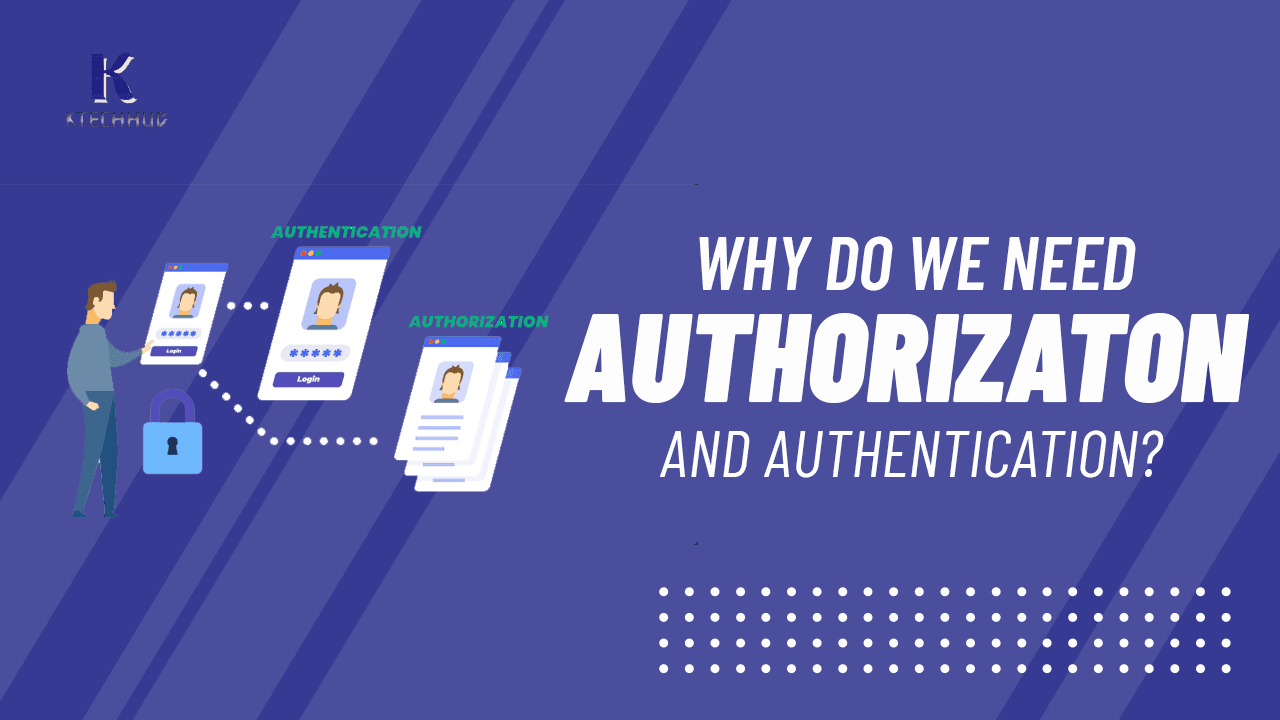
Authorization is the process of granting or denying access to specific resources or actions. It is used to control who has access to specific resources, and what they are allowed to do with them. For example, a company may have a network with different servers and databases that contain sensitive or confidential information. To protect this information, the company may use authorization to grant access to only certain employees or departments and restrict the actions they are allowed to perform on the network.
Authentication is the process of verifying that someone or something is who or what it claims to be. It is used to confirm the identity of a user, device, or system before granting access to resources. Many different authentication methods exist, such as passwords, tokens, biometrics, and certificates. By using authentication, a system can ensure that only authorized users and devices can access its resources.
Together, authorization and authentication help to create a secure system or network by protecting against unauthorized access. This is especially important when sensitive or confidential information is being shared or accessed, as it helps prevent unauthorized individuals from accessing or modifying this information.
However, authorization and authentication alone are not enough to fully secure a system or network. It is also important to have robust security measures such as firewalls, intrusion detection and prevention systems, and regular security updates and patches. In addition, it is essential to educate users on security best practices, such as using strong passwords and not sharing login credentials.
Overall, authorization and authentication are critical components of a security system or network. By controlling access to resources and verifying the identity of users and devices, these processes help to protect against unauthorized access and ensure the confidentiality, integrity, and availability of information and resources.
Final points to note
- o
- o
One common type of authorization is role-based access control (RBAC). With RBAC, users are assigned to specific roles, and these roles are granted access to certain resources or actions. This can be useful for large organizations where it is important to have a hierarchical structure for managing access to resources.
o - o
- o
Another type of authorization is attribute-based access control (ABAC). With ABAC, access to resources is determined based on the attributes of the user, the resource, and the context of the request. This can be more flexible than RBAC, as it allows for fine-grained control over access to resources based on a wide range of attributes.
o - o
- o
In addition to user authentication, it is also important to consider device authentication. This can be especially important in environments where multiple devices are connected to a network, as it helps to ensure that only authorized devices are able to access the network and its resources.
o - o
- o
It is important to regularly review and update authorization and authentication policies and procedures to ensure that they remain effective and relevant. This can include things like periodic password changes, revoking access for users who no longer need it, and implementing new authentication methods as they become available.
o - o
- o
It is also important to have robust security measures in place to protect against security breaches, such as firewalls, intrusion detection and prevention systems, and regular security updates and patches. These measures can help to detect and prevent unauthorized access to a system or network.
o - o
- o
Finally, user education is an important aspect of maintaining a secure system or network. By educating users on security best practices, such as using strong passwords and not sharing login credentials, organizations can help to reduce the risk of security breaches and unauthorized access to resources.
o

Experienced DevOps Engineer proficient in Python, Docker, Kubernetes, CI/CD, and cloud technologies. Specialized in automating processes and building scalable infrastructure for seamless development and deployment.



