
Introduction
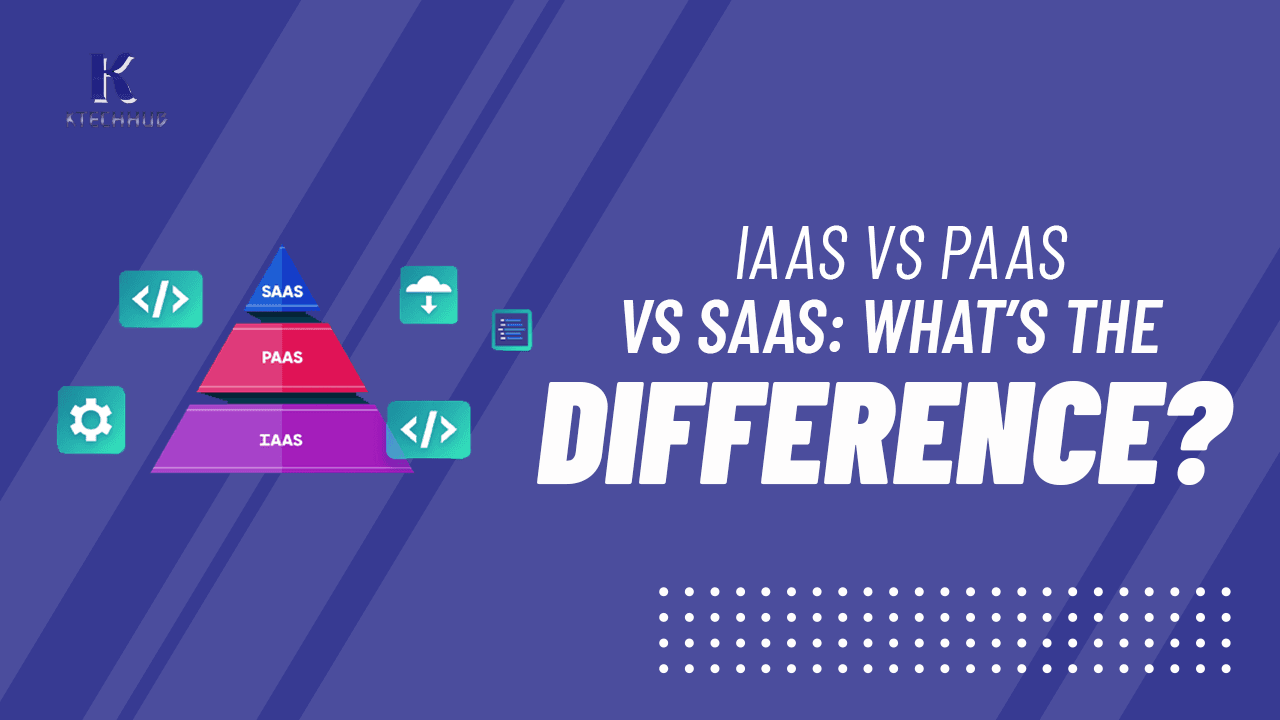
Cloud computing has become an increasingly popular way for businesses and individuals to access and use computing resources over the internet. Instead of purchasing and maintaining physical infrastructure and software, users can access these resources as needed through a cloud provider. There are three main categories of cloud computing services: IaaS (Infrastructure as a Service), PaaS (Platform as a Service), and SaaS (Software as a Service). In this essay, we will explore each of these categories in detail, and compare their characteristics and use cases.
IaaS (Infrastructure as a Service)
Definition: IaaS, or Infrastructure as a Service, is a cloud computing model that delivers infrastructure resources, such as computing power, storage, and networking, over the internet.
How it works: With IaaS, users can access and use these resources on a pay-per-use basis, without the need to purchase and maintain physical infrastructure. Users can scale up or down their usage as needed, and only pay for the resources they use. IaaS providers often offer various pricing models, such as per-hour or per-month billing, with the option to choose from different configurations of resources.
Examples: Some examples of IaaS providers include Amazon Web Services (AWS), Microsoft Azure, and Google Cloud Platform. These providers offer a wide range of infrastructure resources, such as virtual machines, storage, and networking, that can be accessed and used by users through a web-based interface or API.
PaaS (Platform as a Service)
Definition: PaaS, or Platform as a Service, is a cloud computing model that provides users with a platform for developing, testing, and deploying applications over the internet.
How it works: PaaS includes resources such as databases, middleware, and application development tools, and users only need to bring their own application code to the platform. PaaS providers handle the maintenance and updates of the platform, allowing users to focus on developing their applications. Like IaaS, PaaS is typically offered on a pay-per-use basis, with users only paying for the resources they use.
Examples: Some examples of PaaS providers include AWS Elastic Beanstalk, Microsoft Azure App Service, and Google App Engine. These platforms allow users to develop and deploy a wide range of applications, such as web and mobile apps, without the need to worry about infrastructure management.
SaaS (Software as a Service)
Definition: SaaS, or Software as a Service, is a software delivery model in which software applications are provided to users over the internet, on a subscription basis.
How it works: SaaS applications are typically accessed through a web browser, and users do not need to worry about maintenance, updates, or installation. Users can access the software from any device with an internet connection, and only pay for the resources they use. SaaS providers handle the maintenance and updates of the software, allowing users to focus on using the application.
Examples: Some examples of SaaS providers include Salesforce, Adobe Creative Cloud, and Microsoft Office 365.
Summary
In summary, IaaS provides infrastructure resources, PaaS provides a platform for developing and deploying applications, and SaaS provides access to software applications over the internet.

Experienced DevOps Engineer proficient in Python, Docker, Kubernetes, CI/CD, and cloud technologies. Specialized in automating processes and building scalable infrastructure for seamless development and deployment.



